
Event Types
Roadshow ServicesProgram Support
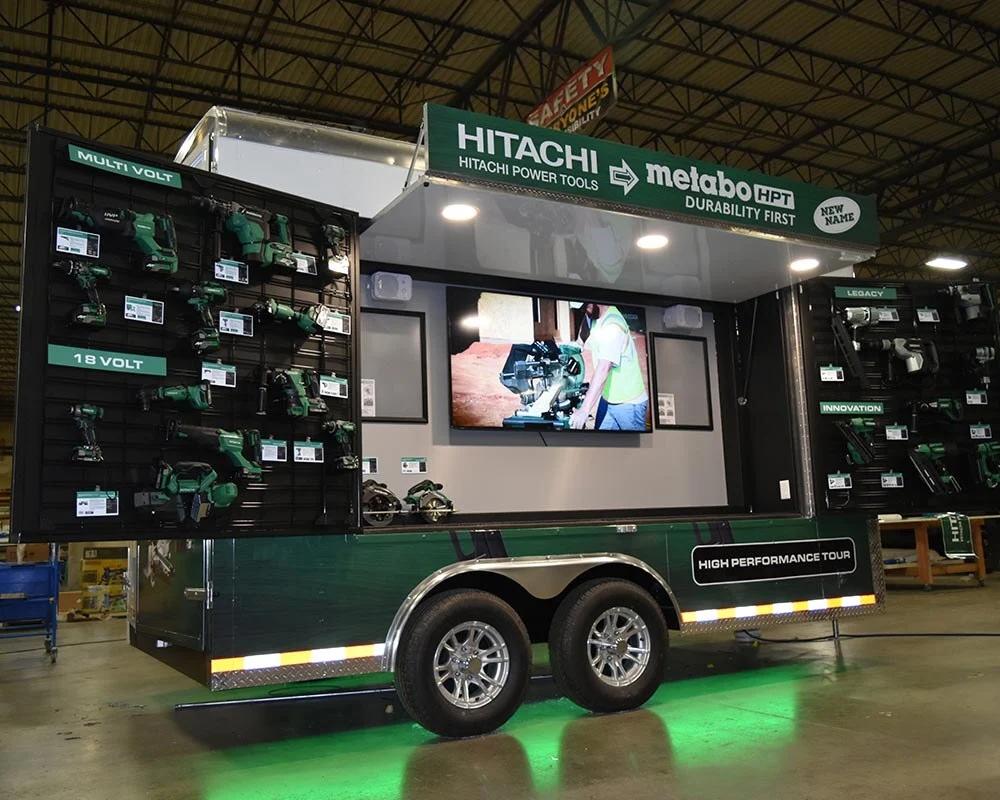
Roadshow services in Atlanta work when the plan is built around repeatable transport, market adaptation, and a field system that can move a branded program through multiple stops without losing consistency or control.
Why roadshows are movement-first programs
A roadshow is only partly about what happens at one stop. The harder problem is how the program moves, resets, and stays recognizable across several dates and conditions without forcing the team to rebuild the event from scratch each time.
That makes roadshow work a movement and repeatability problem before it becomes a single-room production problem.
How the stop should feel connected to the series
Each roadshow stop has to feel locally relevant without breaking the identity of the overall program. The room, staffing, transport logic, and guest path all need to balance consistency with adaptation.
When that works, the series feels intentional. When it does not, every stop looks like a partial reinvention of the last one.
Where roadshows usually get expensive
Roadshows get expensive when pack-and-move logic is loose, local changes pile up without control, or the team treats each market like an isolated event instead of a stop in a connected system.
The better Atlanta roadshow plan protects the traveling core so local needs do not consume the repeatability that makes the model work.
What the next roadshow stop should inherit
A useful close-out should preserve transport notes, local-fit lessons, staffing adjustments, and the program decisions that made the stop easier to run without weakening the broader series identity.
That gives the next Atlanta roadshow date a stronger playbook instead of another first-stop problem set.
Event Types
Contact
Plan roadshow services with one Atlanta team
Share the venue, target date, footprint, and service gap for Roadshow Services. The next plan should be built around roadshow services in Atlanta instead of a generic checklist.