Turnkey Atlanta Trade Show Services for Booth Builds, I&D, Labor, AV, and Logistics

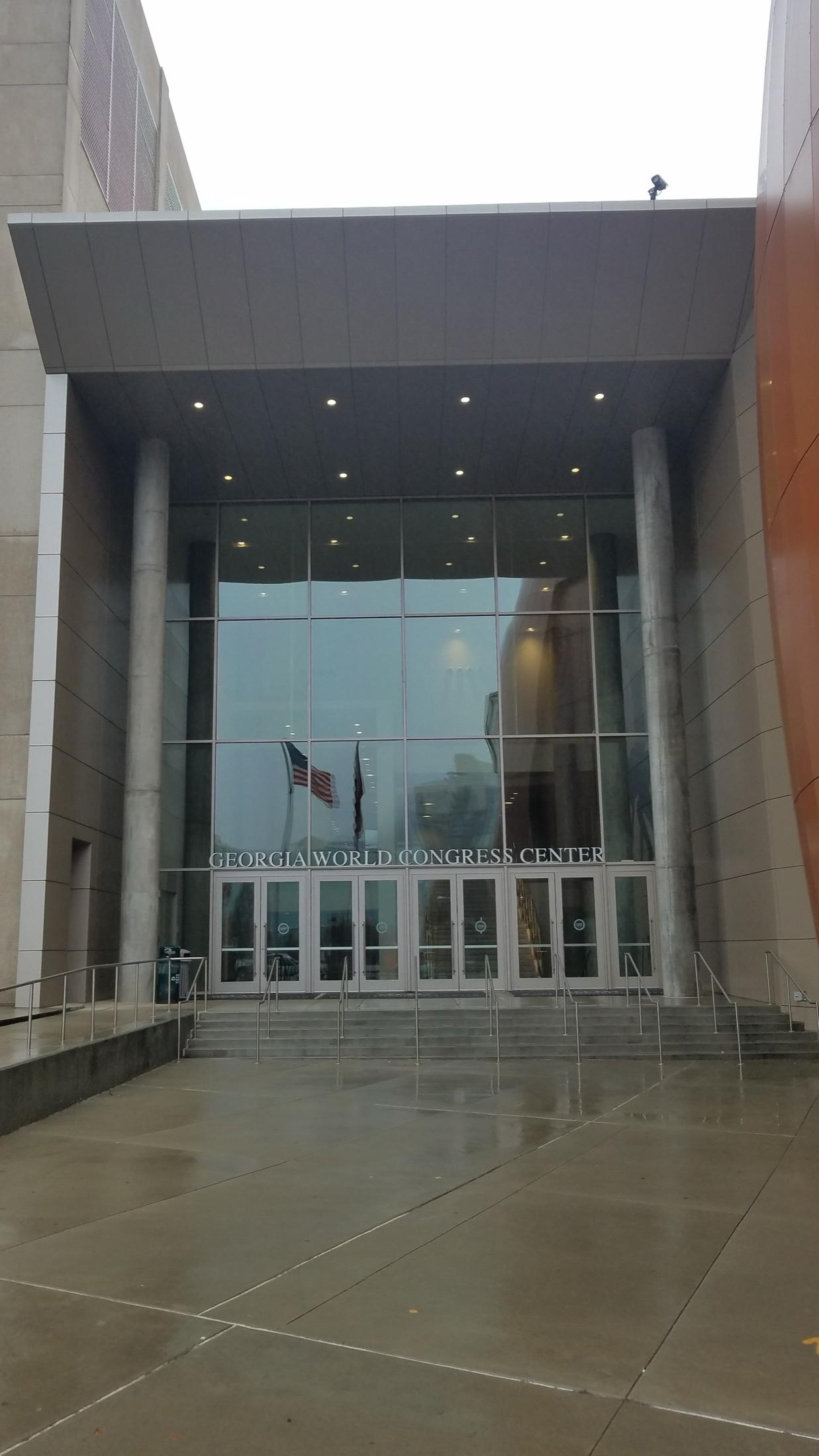
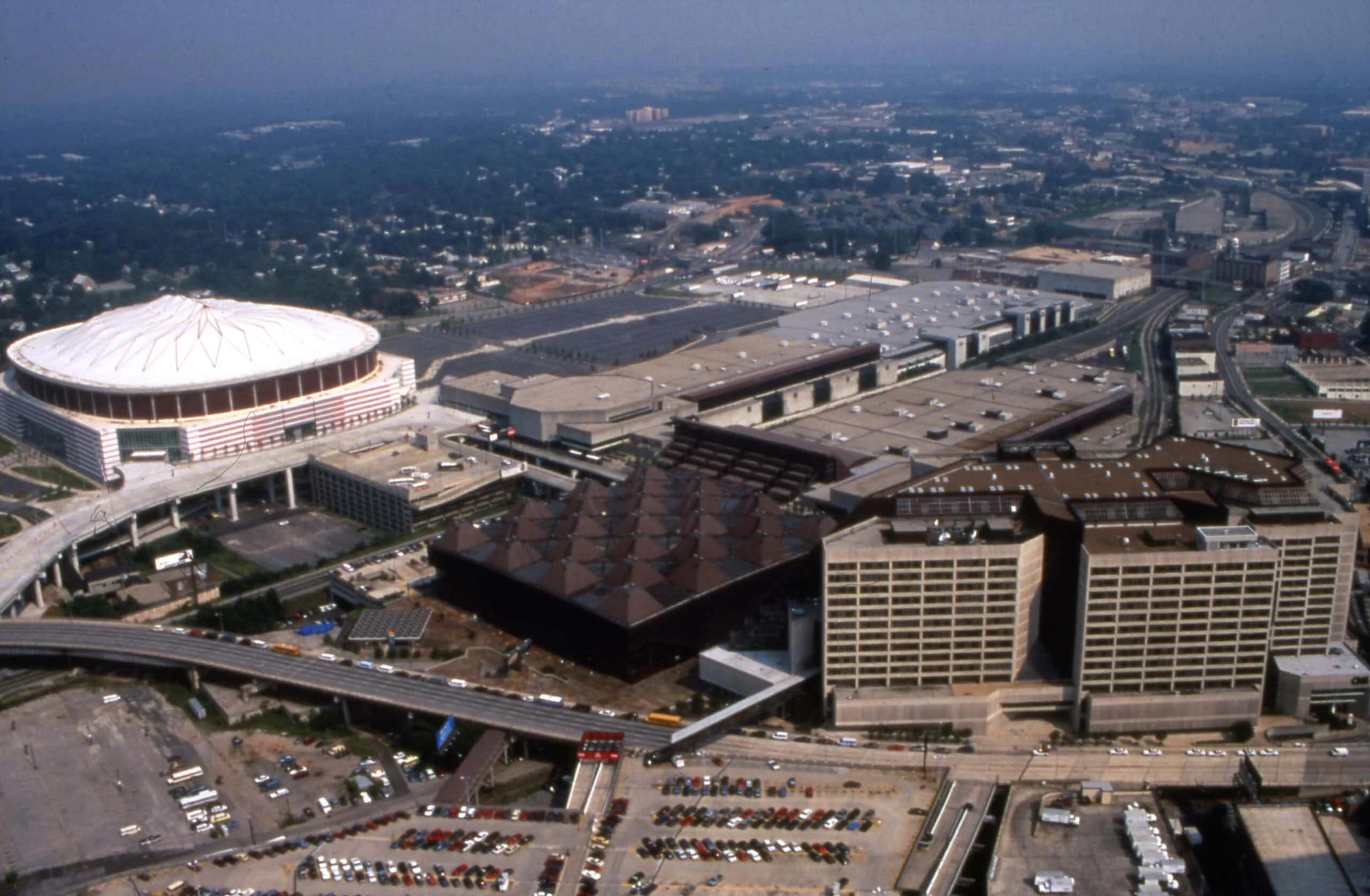
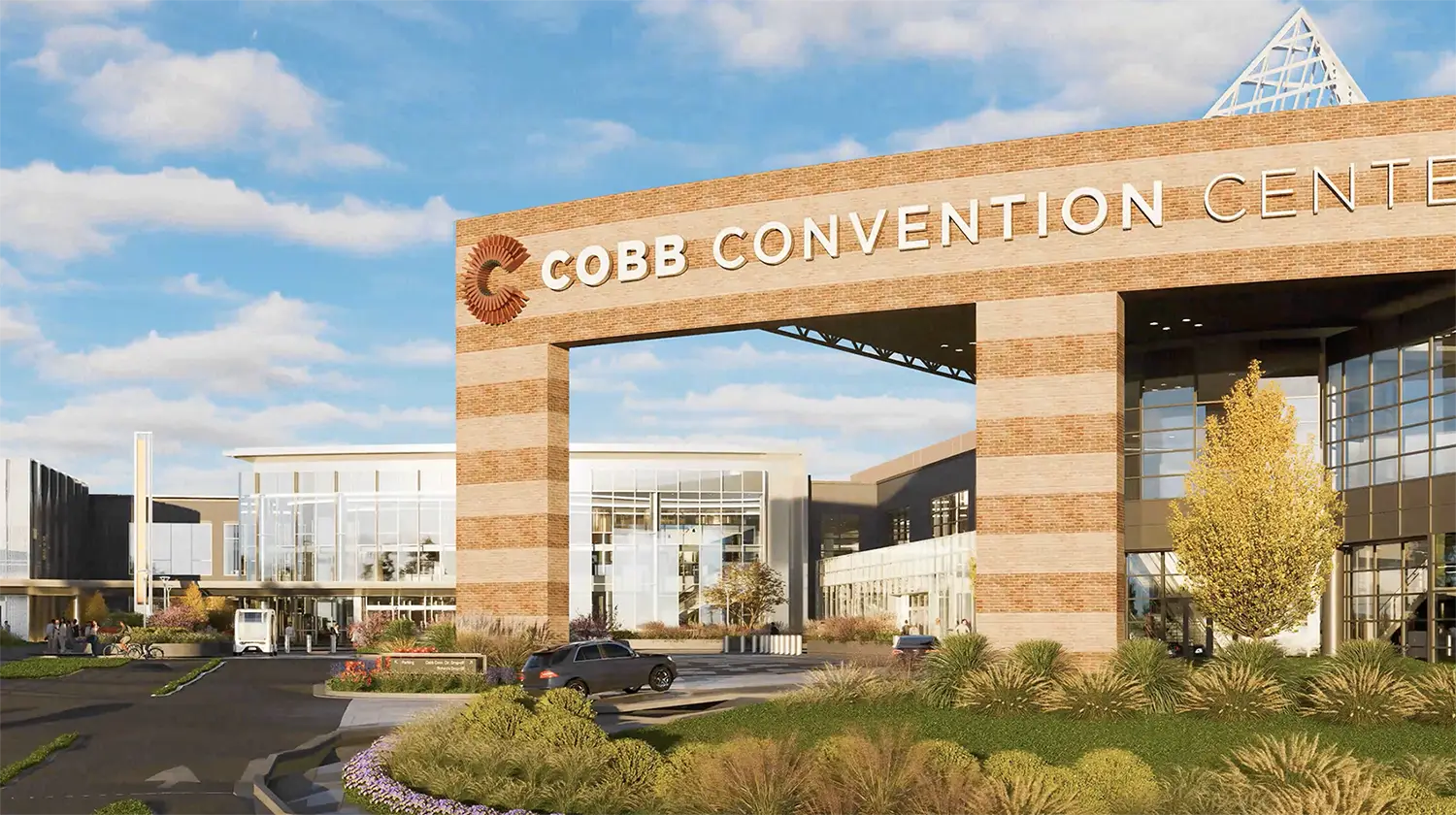
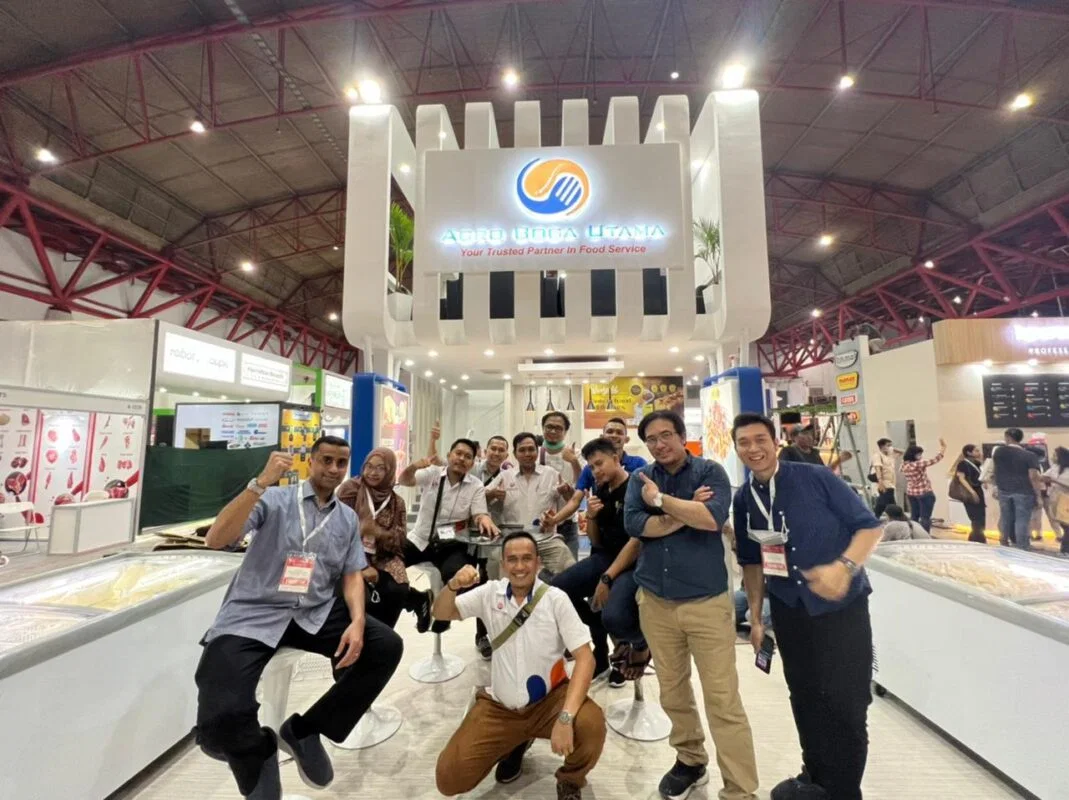
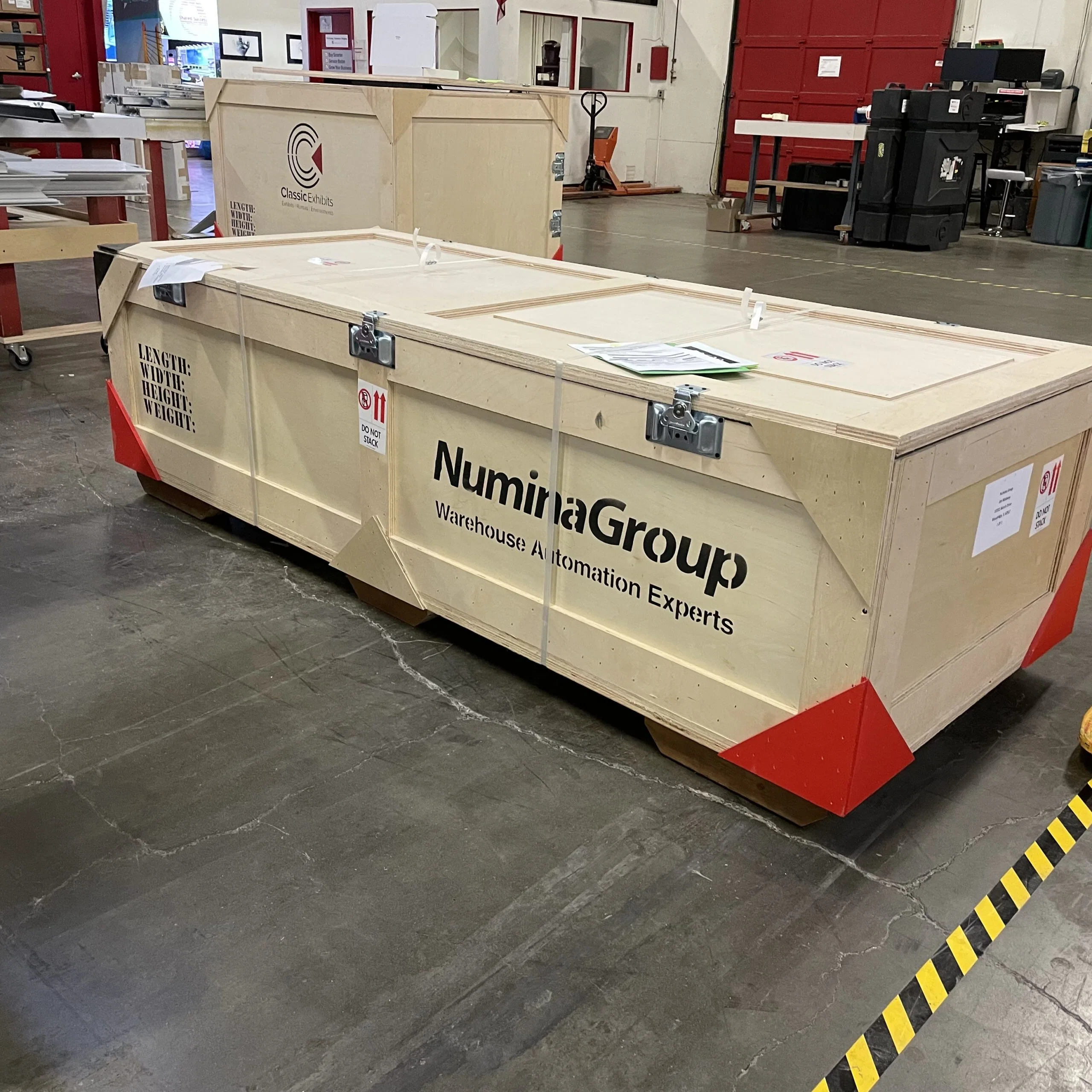
Trade Show Services of Atlanta manages project scope, booth builds, installation and dismantle, labor, AV, freight, and venue coordination for programs at GWCC, GICC, Gas South, Cobb, and the wider Atlanta event market.

TURNKEYSHOWEXECUTION

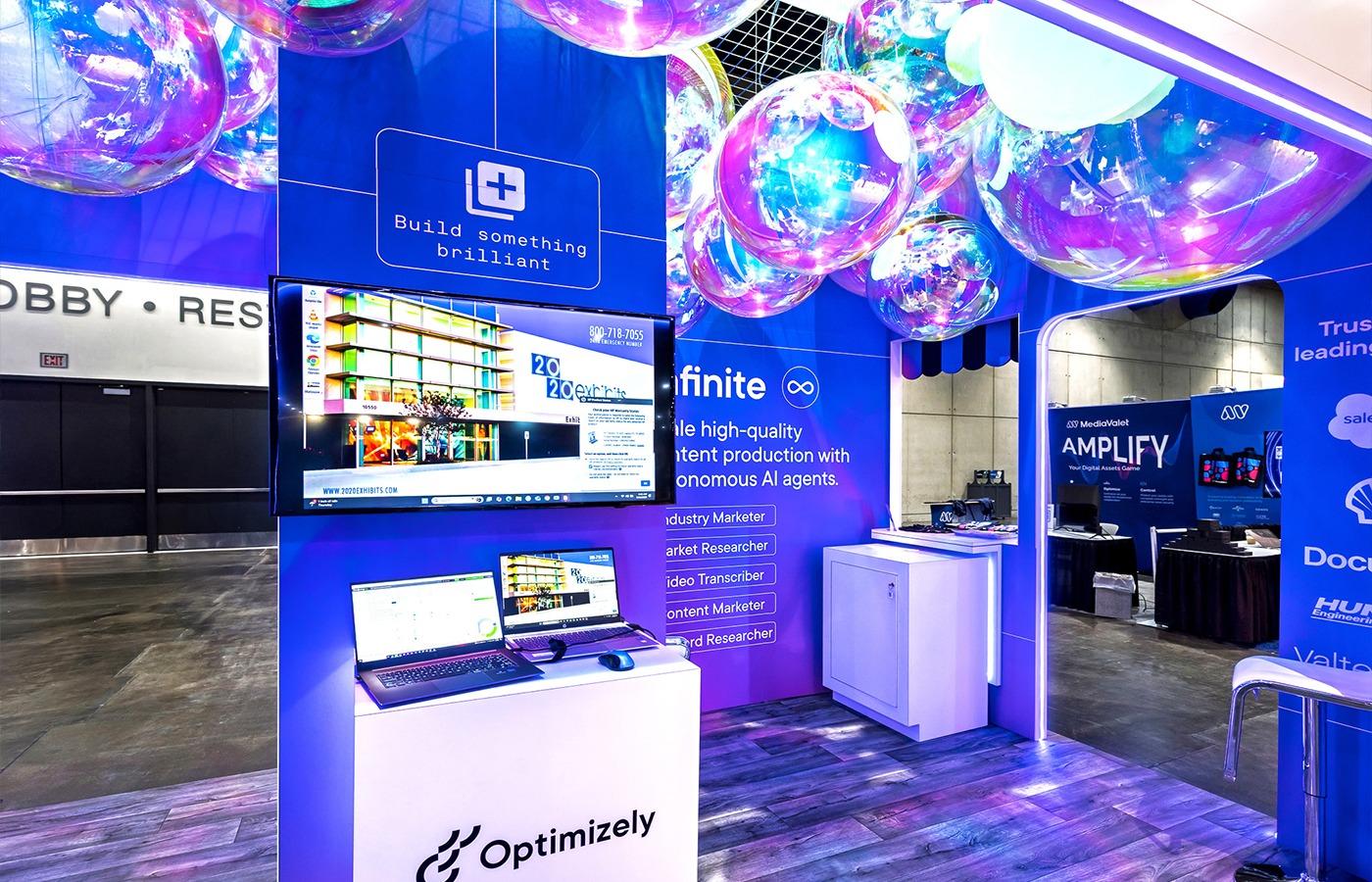
Scoping, budgeting, fabrication, forms, labor, show floor supervision, and close-out all stay inside one operating system so deadlines do not slip between vendors. The point of this approach is not to bundle work for its own sake. It is to make the event easier to lead from the client side, because the team can see where each decision lands, who owns it, and what the next dependency will be when the show calendar tightens. A better delivery model gives the client a more realistic timeline, a cleaner handoff, and fewer late-stage surprises.

More
TURNKEY SHOW EXECUTION

ACTIONSINTOSHOWTIME

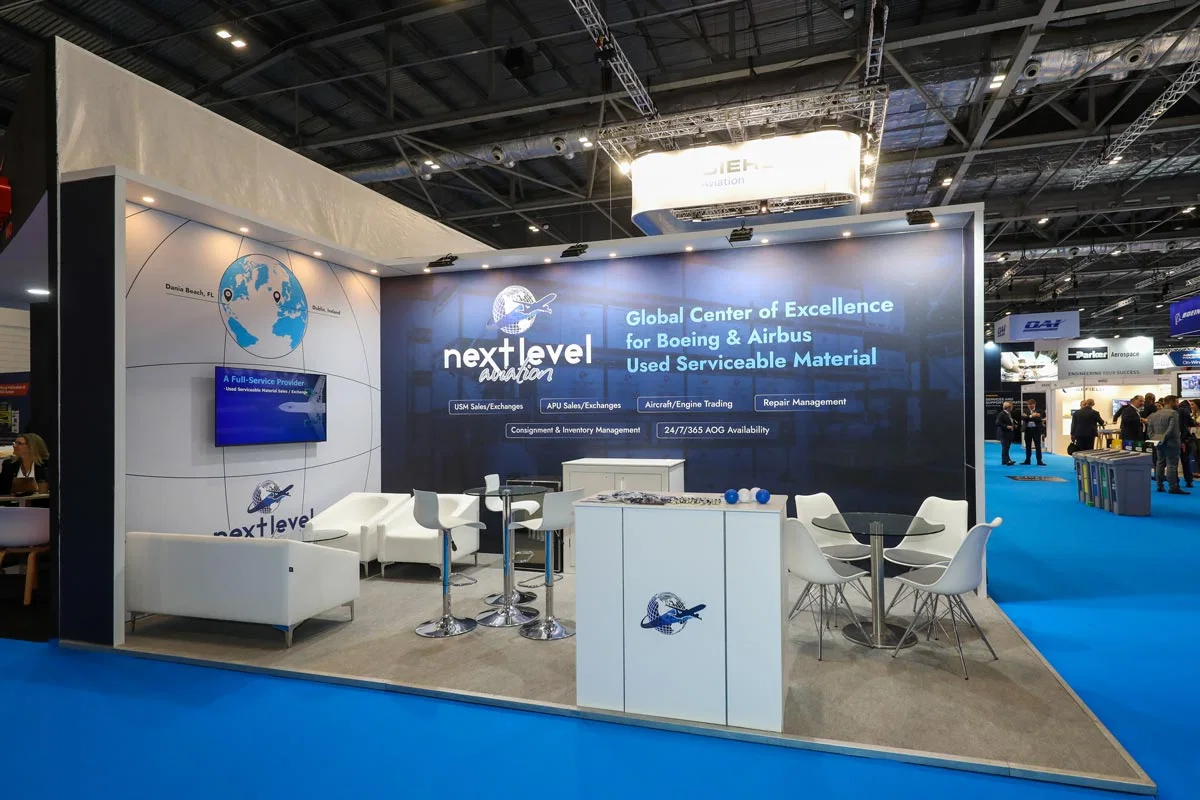
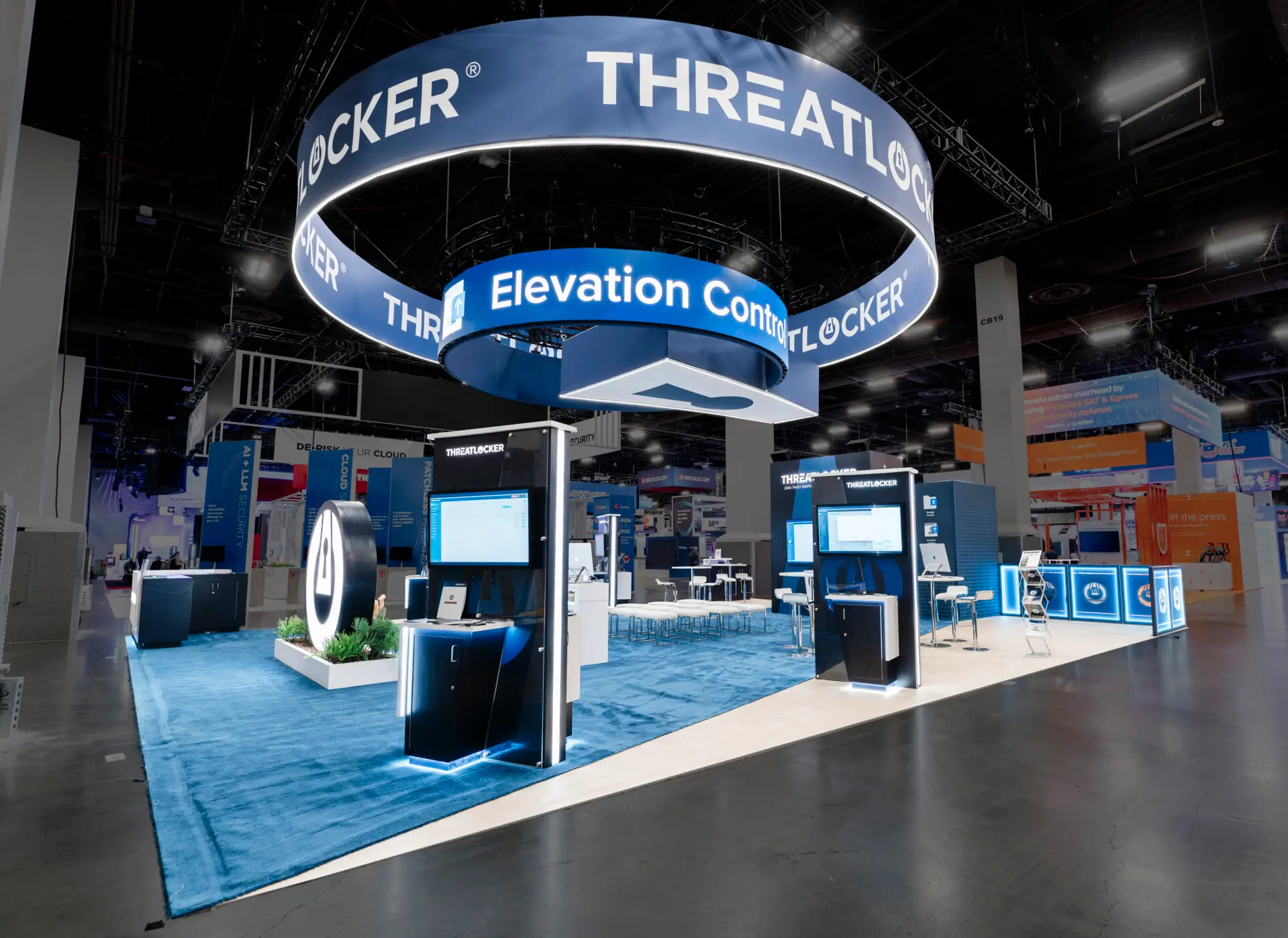
Move-in windows, labor calls, freight arrivals, rehearsals, and last-minute revisions are translated into a practical floor plan that opens cleanly. This is where a good execution partner earns its keep: turning a set of moving pieces into a floor plan the crew can actually use, even when the venue is busy and the timeline gets compressed. The right plan keeps the work legible enough for the onsite team and flexible enough for the real world. It also lets everyone know what has to happen first so the installation does not turn into a scramble on show morning.

More
ACTIONS INTO SHOWTIME

VENUE-READYSERVICESTACKS

Utilities, approved partners, EAC rules, catering, rigging, internet, and exhibitor paperwork are handled with the venue context already in mind. Atlanta shows move faster when the venue rules are understood before the build starts, because the team can shape the scope around receiving, labor access, and approvals instead of discovering those items late. The result is a more controlled program and fewer surprises once the hall is live. Buyers get a clearer picture of what the venue will allow, what the project team needs to order early, and where the local partner has to stay proactive.

More
VENUE-READY SERVICE STACKS

EXHIBITORFIELDINSIGHT

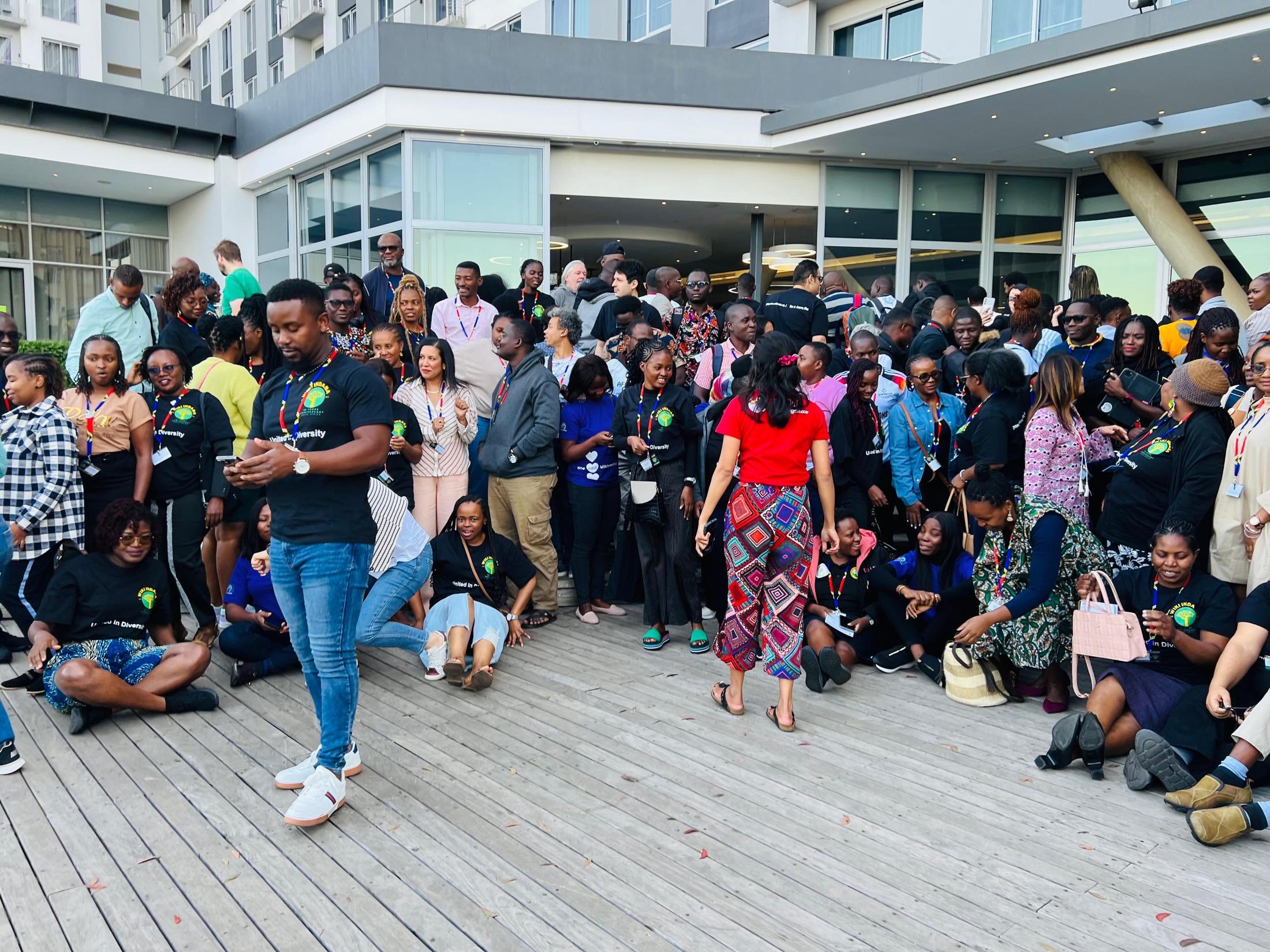
Programs are planned around actual attendee flow, sales conversations, product demos, and the operational differences between downtown, airport, Cobb, and Gwinnett venues. The most useful local planning starts with how people will move through the space, where the conversation should happen, and what the attendee is supposed to remember five minutes after leaving the booth. That perspective keeps the design honest and makes the decision tree easier for internal teams. It also helps the buyer choose a market fit that reflects the audience, not just the address.

More
EXHIBITOR FIELD INSIGHT

AVLOGISTICSSOLUTIONS

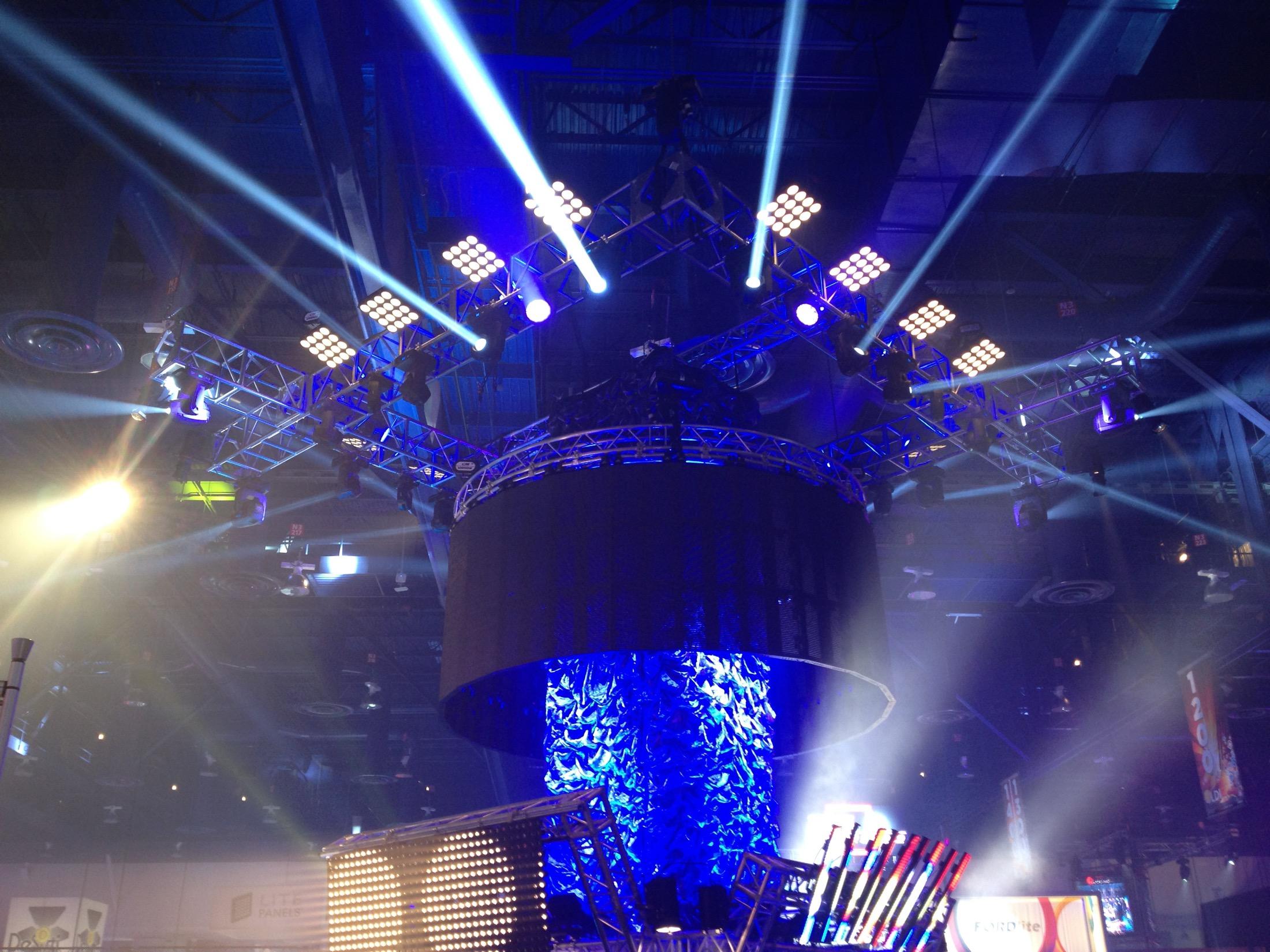
Lighting, LED, show-floor audio, freight timing, warehouse staging, and dismantle planning are handled as one operating system. The screen plan, arrival order, install sequence, and field crew all need to support the same opening-day moment.

More
AV LOGISTICS SOLUTIONS

ATLANTAATHEART

The operating footprint stays local to Atlanta but the mindset is regional: build a system that can support flagship shows, smaller conference programs, and repeat activations without changing crews. That consistency matters because many buyers do not have one project. They have a calendar of programs that need the same level of care even when the venue changes. A strong partner should make the next show easier, not just the current one. That means the process has to be repeatable enough to scale, but flexible enough to adjust when a venue, a market, or a show objective changes.

More
ATLANTA AT HEART

NEXTSHOWSTARTS

Buyers who need a booth, labor plan, or venue-specific execution partner can start with one scope conversation and move straight into scheduling. The call should focus on show date, venue, footprint, budget, build or rental needs, and the operating gaps that have to be closed before move-in.

Start
NEXT SHOW STARTS

One team for the whole show

Share the venue, timing, floor plan, approvals, labor needs, and build or rental goals. The first scope call turns those pieces into a working show plan.

More